
Maximizing efficiency and sustainability in petroleum processing relies on continuous improvements in advanced refining technologies & catalysis to optimize conversion rates and product yields. Innovations in hydrocracking, fluid catalytic cracking, and desulfurization processes are improving fuel quality while reducing emissions. The introduction of next-generation catalysts with enhanced selectivity is minimizing energy consumption and maximizing feedstock utilization. Digitalization and AI-driven automation are streamlining refinery operations, ensuring real-time process control and predictive maintenance. With increasing regulations on carbon emissions, refineries are integrating carbon capture technologies to enhance environmental performance. Continued advancements in refining processes are shaping the future of cleaner and more efficient fuel production.
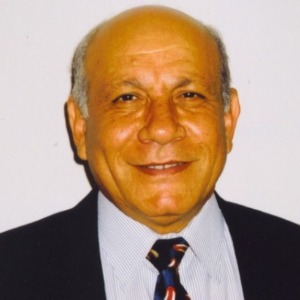
Selim Sanad Shaker
Geopressure Analysis Services, United States
Deinar Agudelo Ortiz
Natural Motos sas, Colombia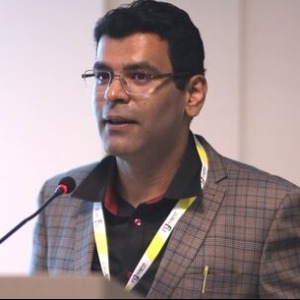
Saim Memon
Sanyou London Pvt Ltd, United KingdomSubmit your abstract Today


Title : An integrated and scalable workflow for evaluating polymer flooding and conformance control strategies in heterogeneous waterflooded reservoirs
Farah Faiz, SLB Digital, Colombia
Title : A novel geomechanical workflow for well design optimization through a new approach in friction coefficient estimation, a case study from West Delta Deep Marine Concession, Mediterranean Sea, Egypt
Akram Sami Elsherbiny Ali Hussein, Rashid Petroleum Company, Egypt
Title : Development and validation of an in-house Python workflow for pressure transient analysis of oil wells against commercial software (KAPPA Saphir)
Waad Faraj Mohamed Elarbi, Waha Oil Company, Libya
Title : HALP system: An edge-AI and two-tier architecture for cost-effective structural health monitoring in extreme industrial environments
Menna Allah Abdelnabi Mohamed Ali, Higher Institute for Engineering in Belbeis, Egypt
Title : Multi-scale evaluation of mechanical properties of the geomaterials
Hem Bahadur Motra, University of Kiel, Germany
Title : Beyond decarbonization: Incorporating social value and productive inclusion in the energy transition
Deinar Agudelo Ortiz, Natural Motos sas, Colombia