The refining sector is implementing advanced solutions for water treatment & waste management in downstream operations to enhance sustainability and reduce environmental impact. Zero Liquid Discharge (ZLD) systems, membrane bioreactors, and electrocoagulation technologies are improving wastewater treatment efficiency. Sludge reduction strategies and chemical recovery processes are minimizing waste generation while optimizing resource utilization. Advanced oxidation processes and biological treatment methods are helping refineries meet stringent discharge standards. With rising concerns over water scarcity, integrating closed-loop water recycling and desalination technologies is becoming a priority. The adoption of circular economy principles ensures long-term environmental compliance and operational efficiency in downstream petroleum processing.
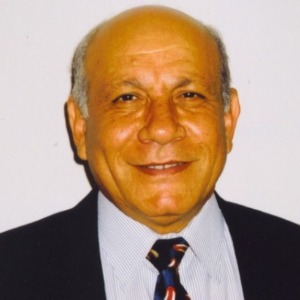
Selim Sanad Shaker
Geopressure Analysis Services, United States
Deinar Agudelo Ortiz
Natural Motos sas, Colombia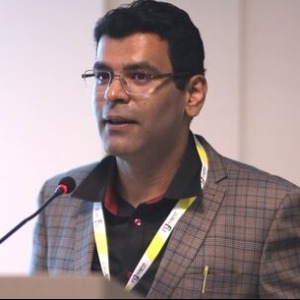
Saim Memon
Sanyou London Pvt Ltd, United KingdomSubmit your abstract Today


Title : An integrated and scalable workflow for evaluating polymer flooding and conformance control strategies in heterogeneous waterflooded reservoirs
Farah Faiz, SLB Digital, Colombia
Title : A novel geomechanical workflow for well design optimization through a new approach in friction coefficient estimation, a case study from West Delta Deep Marine Concession, Mediterranean Sea, Egypt
Akram Sami Elsherbiny Ali Hussein, Rashid Petroleum Company, Egypt
Title : Development and validation of an in-house Python workflow for pressure transient analysis of oil wells against commercial software (KAPPA Saphir)
Waad Faraj Mohamed Elarbi, Waha Oil Company, Libya
Title : HALP system: An edge-AI and two-tier architecture for cost-effective structural health monitoring in extreme industrial environments
Menna Allah Abdelnabi Mohamed Ali, Higher Institute for Engineering in Belbeis, Egypt
Title : Multi-scale evaluation of mechanical properties of the geomaterials
Hem Bahadur Motra, University of Kiel, Germany
Title : Beyond decarbonization: Incorporating social value and productive inclusion in the energy transition
Deinar Agudelo Ortiz, Natural Motos sas, Colombia