
Navigating environmental compliance and sustainability goals requires addressing environmental impact & regulatory challenges in petroleum industry. Stricter emissions regulations, water resource management policies, and waste disposal standards are shaping operational strategies. The industry is adopting eco-friendly refining technologies, carbon capture initiatives, and methane reduction programs to meet regulatory requirements. Lifecycle assessments and ESG (Environmental, Social, and Governance) frameworks are guiding responsible investment decisions. Emerging global policies are pushing for more stringent carbon reduction targets. To remain competitive, companies must proactively integrate sustainable technologies while ensuring regulatory compliance through transparent reporting mechanisms.

Selim Sanad Shaker
Geopressure Analysis Services, United States
Deinar Agudelo Ortiz
Natural Motos sas, Colombia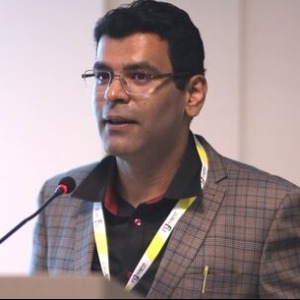
Saim Memon
Sanyou London Pvt Ltd, United KingdomSubmit your abstract Today


Title : An integrated and scalable workflow for evaluating polymer flooding and conformance control strategies in heterogeneous waterflooded reservoirs
Farah Faiz, SLB Digital, Colombia
Title : A novel geomechanical workflow for well design optimization through a new approach in friction coefficient estimation, a case study from West Delta Deep Marine Concession, Mediterranean Sea, Egypt
Akram Sami Elsherbiny Ali Hussein, Rashid Petroleum Company, Egypt
Title : Development and validation of an in-house Python workflow for pressure transient analysis of oil wells against commercial software (KAPPA Saphir)
Waad Faraj Mohamed Elarbi, Waha Oil Company, Libya
Title : HALP system: An edge-AI and two-tier architecture for cost-effective structural health monitoring in extreme industrial environments
Menna Allah Abdelnabi Mohamed Ali, Higher Institute for Engineering in Belbeis, Egypt
Title : Multi-scale evaluation of mechanical properties of the geomaterials
Hem Bahadur Motra, University of Kiel, Germany
Title : Beyond decarbonization: Incorporating social value and productive inclusion in the energy transition
Deinar Agudelo Ortiz, Natural Motos sas, Colombia