
Geothermal Exploration is the process of identifying and assessing subsurface areas with the potential for harnessing geothermal energy. This renewable energy source relies on the Earth's internal heat, and exploration activities aim to locate suitable reservoirs where this heat can be extracted for power generation or direct heating applications. Techniques used in geothermal exploration include geological surveys, geochemical analyses, and geophysical methods. Geological surveys assess surface features and formations indicative of geothermal activity, such as hot springs or fumaroles. Geochemical analyses involve sampling and analyzing fluids and gases emanating from the Earth to identify temperature gradients and chemical indicators of geothermal potential. Geophysical methods, such as seismic surveys, magnetotelluric measurements, and gravity surveys, provide insights into subsurface structures, helping to locate reservoirs and understand their characteristics. Exploration drilling is a key component, allowing the collection of direct data from the Earth's interior to confirm the presence and viability of geothermal resources. Exploration wells also aid in estimating the temperature, pressure, and permeability of the reservoir. Advanced technologies, including remote sensing and satellite imagery, enhance the efficiency and precision of geothermal exploration. Successful geothermal exploration is critical for developing economically viable projects, and it contributes to the sustainable utilization of geothermal energy. As the global focus on renewable energy intensifies, ongoing advancements in exploration technologies and methodologies are expanding our understanding of geothermal resources, making this clean and sustainable energy source an increasingly integral part of the world's energy transition.
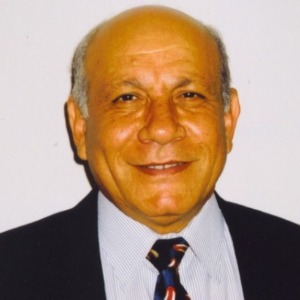
Selim Sanad Shaker
Geopressure Analysis Services, United States
Deinar Agudelo Ortiz
Natural Motos sas, Colombia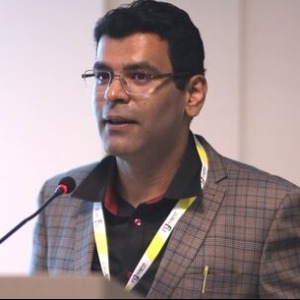
Saim Memon
Sanyou London Pvt Ltd, United KingdomSubmit your abstract Today


Title : Beyond decarbonization: Incorporating social value and productive inclusion in the energy transition
Deinar Agudelo Ortiz, Natural Motos sas, Colombia
Title : Multi-scale evaluation of mechanical properties of the geomaterials
Hem Bahadur Motra, University of Kiel, Germany
Title : A novel geomechanical workflow for well design optimization through a new approach in friction coefficient estimation, a case study from West Delta Deep Marine Concession, Mediterranean Sea, Egypt
Akram Sami Elsherbiny Ali Hussein, Rashid Petroleum Company, Egypt
Title : An integrated and scalable workflow for evaluating polymer flooding and conformance control strategies in heterogeneous waterflooded reservoirs
Farah Faiz, SLB Digital, Colombia
Title : The removal and recovery of dissolved oil from high-salinity wastewater using reduced graphene oxide-iron oxide nanocomposites
Rukiye Oztekin, Dokuz Eylül University, Turkey
Title : HALP system: An edge-AI and two-tier architecture for cost-effective structural health monitoring in extreme industrial environments
Menna Allah Abdelnabi Mohamed Ali, Higher Institute for Engineering in Belbeis, Egypt