
Bioprocessing, a pivotal aspect of the International Conference on Oil, Gas, and Petroleum Engineering, encapsulates a multifaceted approach to harnessing biological systems for the sustainable production of energy resources. In the realm of oil and gas, bioprocessing techniques play a crucial role in enhancing extraction efficiency, refining processes, and mitigating environmental impacts. From utilizing microbial organisms for enhanced oil recovery to employing biocatalysts in refining operations, bioprocessing offers innovative solutions that align with the industry's evolving needs and sustainability objectives. Moreover, the integration of bioprocessing technologies fosters a synergy between traditional petroleum engineering practices and cutting-edge biotechnological advancements, paving the way for a more efficient and environmentally friendly approach to energy production.
At the heart of the International Conference on Oil, Gas, and Petroleum Engineering, bioprocessing represents a frontier where interdisciplinary collaboration converges to address complex challenges and unlock new opportunities in the energy sector. Beyond conventional methods, bioprocessing holds the promise of biofuel production from renewable feedstocks, bioremediation of contaminated sites, and the development of bio-based chemicals and materials. Through insightful discussions, presentations, and workshops, the conference serves as a platform for industry experts, researchers, and policymakers to explore the latest advancements in bioprocessing technologies, exchange knowledge, and chart the course for a sustainable future in oil, gas, and petroleum engineering. By embracing bioprocessing innovations, the conference seeks to inspire transformative solutions that drive the industry towards greater efficiency, resilience, and environmental stewardship.
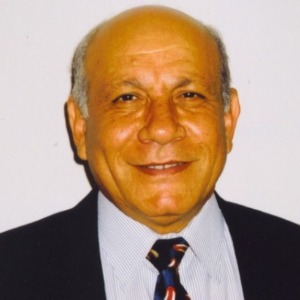
Selim Sanad Shaker
Geopressure Analysis Services, United States
Deinar Agudelo Ortiz
Natural Motos sas, Colombia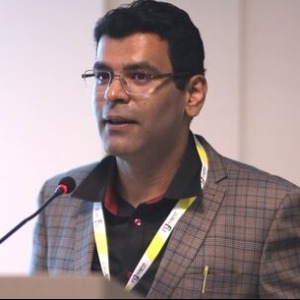
Saim Memon
Sanyou London Pvt Ltd, United KingdomSubmit your abstract Today


Title : Beyond decarbonization: Incorporating social value and productive inclusion in the energy transition
Deinar Agudelo Ortiz, Natural Motos sas, Colombia
Title : Multi-scale evaluation of mechanical properties of the geomaterials
Hem Bahadur Motra, University of Kiel, Germany
Title : A novel geomechanical workflow for well design optimization through a new approach in friction coefficient estimation, a case study from West Delta Deep Marine Concession, Mediterranean Sea, Egypt
Akram Sami Elsherbiny Ali Hussein, Rashid Petroleum Company, Egypt
Title : An integrated and scalable workflow for evaluating polymer flooding and conformance control strategies in heterogeneous waterflooded reservoirs
Farah Faiz, SLB Digital, Colombia
Title : The removal and recovery of dissolved oil from high-salinity wastewater using reduced graphene oxide-iron oxide nanocomposites
Rukiye Oztekin, Dokuz Eylül University, Turkey
Title : HALP system: An edge-AI and two-tier architecture for cost-effective structural health monitoring in extreme industrial environments
Menna Allah Abdelnabi Mohamed Ali, Higher Institute for Engineering in Belbeis, Egypt