
Digital Twin in Oil and Gas has revolutionized the industry by introducing a transformative approach to asset management and operational optimization. This cutting-edge technology involves the creation of virtual replicas of physical assets, such as drilling rigs, production facilities, and reservoirs, incorporating real-time data and analytics. The Digital Twin serves as a dynamic, digital counterpart that mirrors the behavior of its physical counterpart, offering unparalleled insights and facilitating informed decision-making throughout the asset lifecycle. This innovation has proven particularly invaluable in predictive maintenance, enabling operators to anticipate and address potential issues before they lead to downtime, ensuring optimal performance and efficiency in oil and gas operations. As the industry embraces this digital transformation, the Digital Twin in Oil and Gas continues to redefine standards for operational excellence, safety, and resource optimization.
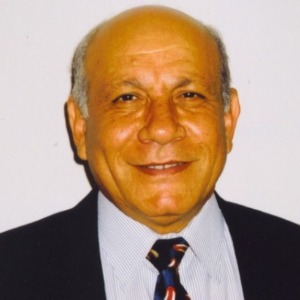
Selim Sanad Shaker
Geopressure Analysis Services, United States
Deinar Agudelo Ortiz
Natural Motos sas, Colombia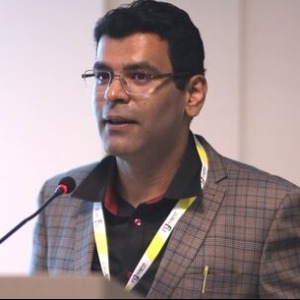
Saim Memon
Sanyou London Pvt Ltd, United KingdomSubmit your abstract Today


Title : Beyond decarbonization: Incorporating social value and productive inclusion in the energy transition
Deinar Agudelo Ortiz, Natural Motos sas, Colombia
Title : Multi-scale evaluation of mechanical properties of the geomaterials
Hem Bahadur Motra, University of Kiel, Germany
Title : A novel geomechanical workflow for well design optimization through a new approach in friction coefficient estimation, a case study from West Delta Deep Marine Concession, Mediterranean Sea, Egypt
Akram Sami Elsherbiny Ali Hussein, Rashid Petroleum Company, Egypt
Title : An integrated and scalable workflow for evaluating polymer flooding and conformance control strategies in heterogeneous waterflooded reservoirs
Farah Faiz, SLB Digital, Colombia
Title : The removal and recovery of dissolved oil from high-salinity wastewater using reduced graphene oxide-iron oxide nanocomposites
Rukiye Oztekin, Dokuz Eylül University, Turkey
Title : HALP system: An edge-AI and two-tier architecture for cost-effective structural health monitoring in extreme industrial environments
Menna Allah Abdelnabi Mohamed Ali, Higher Institute for Engineering in Belbeis, Egypt