
Offshore Drilling And Rigs are integral components of the oil and gas industry, involving the exploration and extraction of hydrocarbons from beneath the seabed. Offshore drilling is carried out in diverse environments, ranging from shallow waters to ultra-deep waters, and it plays a crucial role in meeting global energy demands. Offshore drilling rigs come in various types, including jack-up rigs, semi-submersibles, and drillships, each designed to address specific water depths and geological conditions. Jack-up rigs are versatile and commonly used in shallow waters, utilizing legs that can be lowered to the seabed to provide stability. Semi-submersibles are capable of operating in deeper waters and have pontoons that partially submerge. Drillships are vessels equipped with drilling equipment and are used in ultra-deep waters. These rigs are equipped with advanced technologies, including dynamic positioning systems, to maintain precise positioning during drilling operations. Offshore drilling involves complex processes, including the installation of wellheads, casing, and blowout preventers to ensure safe and controlled drilling operations. The extracted hydrocarbons are transported through pipelines or ships to onshore facilities for further processing and distribution. Offshore drilling presents unique challenges such as harsh environmental conditions, deep-sea pressures, and safety considerations, necessitating strict adherence to industry regulations and standards. Advances in technology, including subsea drilling and robotic systems, continue to improve efficiency and safety in offshore drilling operations. As the demand for oil and gas persists, offshore drilling remains vital for unlocking energy resources beneath the world's oceans, contributing significantly to the global energy supply.
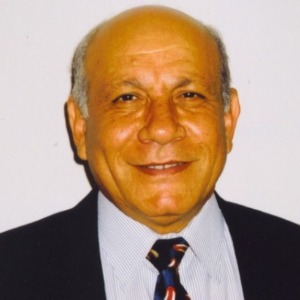
Selim Sanad Shaker
Geopressure Analysis Services, United States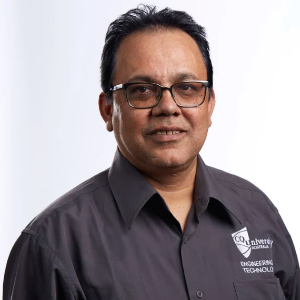
Nur Hassan
Central Queensland University, Australia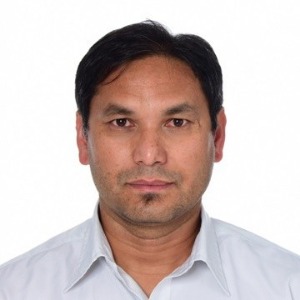
Hem Bahadur Motra
University of Kiel, GermanySubmit your abstract Today


Title : Beyond decarbonization: Incorporating social value and productive inclusion in the energy transition
Deinar Agudelo Ortiz, Natural Motos sas, Colombia
Title : Multi-scale evaluation of mechanical properties of the geomaterials
Hem Bahadur Motra, University of Kiel, Germany
Title : A novel geomechanical workflow for well design optimization through a new approach in friction coefficient estimation, a case study from West Delta Deep Marine Concession, Mediterranean Sea, Egypt
Akram Sami Elsherbiny Ali Hussein, Rashid Petroleum Company, Egypt
Title : An integrated and scalable workflow for evaluating polymer flooding and conformance control strategies in heterogeneous waterflooded reservoirs
Farah Faiz, SLB Digital, Colombia
Title : The removal and recovery of dissolved oil from high-salinity wastewater using reduced graphene oxide-iron oxide nanocomposites
Rukiye Oztekin, Dokuz Eylül University, Turkey
Title : HALP system: An edge-AI and two-tier architecture for cost-effective structural health monitoring in extreme industrial environments
Menna Allah Abdelnabi Mohamed Ali, Higher Institute for Engineering in Belbeis, Egypt