
Oilfield water management is a complex and critical aspect of the oil and gas industry, involving the sourcing, treatment, disposal, and recycling of water used in various operations. Large volumes of water are required for hydraulic fracturing, drilling, and enhanced oil recovery processes. Effective water management aims to optimize water usage, minimize environmental impact, and address community concerns about water resources. Water sourcing involves identifying and securing suitable water supplies, considering factors such as availability, quality, and local regulations. Produced water, which emerges during oil and gas extraction, requires careful treatment to remove contaminants before safe disposal or potential reuse. Advanced water treatment technologies, including reverse osmosis and electrocoagulation, are employed to meet stringent environmental standards. Recycling and reusing produced water in hydraulic fracturing operations reduce freshwater demand and minimize wastewater disposal. Integrated water management plans incorporate monitoring systems to track water quality and ensure compliance with regulatory requirements. Industry initiatives focus on reducing the overall water intensity of oilfield operations, emphasizing responsible and sustainable water practices. Challenges in oilfield water management include the treatment of complex wastewater streams and addressing the potential for induced seismicity associated with wastewater injection. Research and development efforts continue to explore innovative solutions, such as the use of brackish water, to reduce the reliance on freshwater sources and enhance the overall sustainability of oil and gas activities. Collaborative approaches among industry stakeholders, regulators, and local communities are essential to develop and implement effective water management strategies that balance the industry's water needs with environmental and societal considerations.
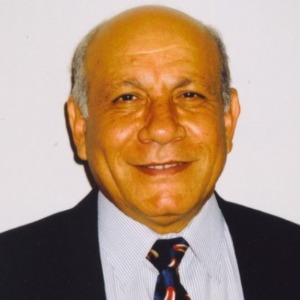
Selim Sanad Shaker
Geopressure Analysis Services, United States
Saim Memon
Sanyou London Pvt Ltd, United Kingdom
Chellapandian Kannan
Manonmaniam Sundaranar University, IndiaSubmit your abstract Today

