
Steam Assisted Gravity Drainage (SAGD) is a specialized thermal recovery technique employed in the oil sands industry for the extraction of bitumen, a heavy and highly viscous form of crude oil. SAGD is particularly effective in reservoirs where the bitumen is too deep to be economically mined. The process involves the injection of steam into a horizontal well pair, consisting of a producer and an injector well, both drilled parallel to each other. Steam is injected into the reservoir, reducing the bitumen viscosity and creating a heated zone that allows for gravity drainage. The warmed bitumen flows downward due to gravity, and the produced fluids are then collected by the producer well. The horizontal well configuration maximizes the contact area between the steam and the bitumen, enhancing recovery efficiency. SAGD has gained prominence for its ability to recover bitumen from oil sands deposits with higher energy efficiency and lower environmental impact compared to other extraction methods. It reduces the need for surface mining and is well-suited for deeper and less accessible reservoirs. However, SAGD requires significant energy inputs for steam generation, and ongoing research focuses on optimizing the process for sustainability and improving overall recovery rates.
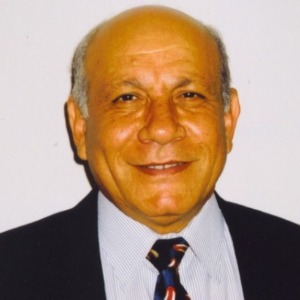
Selim Sanad Shaker
Geopressure Analysis Services, United States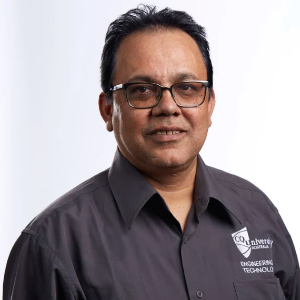
Nur Hassan
Central Queensland University, Australia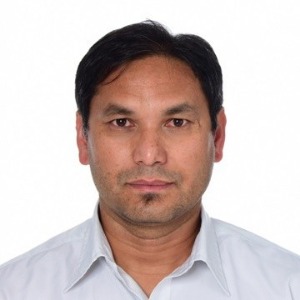
Hem Bahadur Motra
University of Kiel, GermanySubmit your abstract Today


Title : Beyond decarbonization: Incorporating social value and productive inclusion in the energy transition
Deinar Agudelo Ortiz, Natural Motos sas, Colombia
Title : Multi-scale evaluation of mechanical properties of the geomaterials
Hem Bahadur Motra, University of Kiel, Germany
Title : A novel geomechanical workflow for well design optimization through a new approach in friction coefficient estimation, a case study from West Delta Deep Marine Concession, Mediterranean Sea, Egypt
Akram Sami Elsherbiny Ali Hussein, Rashid Petroleum Company, Egypt
Title : An integrated and scalable workflow for evaluating polymer flooding and conformance control strategies in heterogeneous waterflooded reservoirs
Farah Faiz, SLB Digital, Colombia
Title : The removal and recovery of dissolved oil from high-salinity wastewater using reduced graphene oxide-iron oxide nanocomposites
Rukiye Oztekin, Dokuz Eylül University, Turkey
Title : HALP system: An edge-AI and two-tier architecture for cost-effective structural health monitoring in extreme industrial environments
Menna Allah Abdelnabi Mohamed Ali, Higher Institute for Engineering in Belbeis, Egypt