
Upstream Oil and Gas Technology encompasses a range of innovative tools and techniques employed in the exploration, drilling, and production phases of the energy industry. Advanced seismic imaging allows for precise subsurface mapping, enabling efficient resource exploration. In drilling, technologies such as directional drilling and smart drilling systems optimize well placement and enhance reservoir connectivity. Reservoir monitoring utilizes sensors and data analytics to assess reservoir conditions in real-time, facilitating adaptive production strategies. Enhanced oil recovery (EOR) techniques, including thermal, chemical, and gas injection methods, leverage technological advancements to maximize hydrocarbon extraction. The integration of digitalization and the Industrial Internet of Things (IIoT) enhances operational efficiency through predictive maintenance and remote monitoring of assets. Robotics and autonomous systems play a growing role in tasks like inspection, maintenance, and repair of offshore platforms and subsea infrastructure. Unmanned aerial vehicles (UAVs) and remotely operated vehicles (ROVs) contribute to safer and more cost-effective operations. Advanced materials and nanotechnology find applications in drilling fluids, corrosion-resistant coatings, and well completion components. Environmental and sustainability considerations are increasingly integrated into upstream technologies, with a focus on reducing carbon footprints, minimizing environmental impact, and promoting responsible resource extraction. The continuous evolution of upstream oil and gas technology is essential for meeting global energy demands, improving operational efficiency, and addressing the challenges of a rapidly changing energy landscape. Ongoing research and innovation in this sector aim to enhance exploration accuracy, optimize production, and contribute to a more sustainable and resilient energy future.
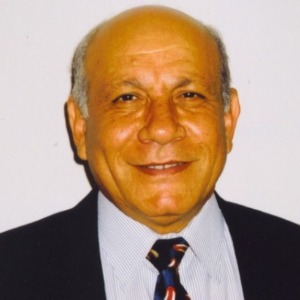
Selim Sanad Shaker
Geopressure Analysis Services, United States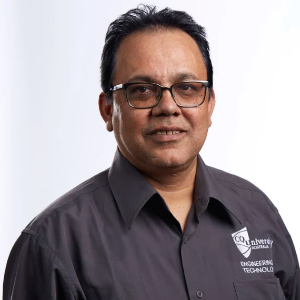
Nur Hassan
Central Queensland University, Australia
Hem Bahadur Motra
University of Kiel, GermanySubmit your abstract Today


Title : Beyond decarbonization: Incorporating social value and productive inclusion in the energy transition
Deinar Agudelo Ortiz, Natural Motos sas, Colombia
Title : Multi-scale evaluation of mechanical properties of the geomaterials
Hem Bahadur Motra, University of Kiel, Germany
Title : A novel geomechanical workflow for well design optimization through a new approach in friction coefficient estimation, a case study from West Delta Deep Marine Concession, Mediterranean Sea, Egypt
Akram Sami Elsherbiny Ali Hussein, Rashid Petroleum Company, Egypt
Title : An integrated and scalable workflow for evaluating polymer flooding and conformance control strategies in heterogeneous waterflooded reservoirs
Farah Faiz, SLB Digital, Colombia
Title : The removal and recovery of dissolved oil from high-salinity wastewater using reduced graphene oxide-iron oxide nanocomposites
Rukiye Oztekin, Dokuz Eylül University, Turkey
Title : HALP system: An edge-AI and two-tier architecture for cost-effective structural health monitoring in extreme industrial environments
Menna Allah Abdelnabi Mohamed Ali, Higher Institute for Engineering in Belbeis, Egypt